



Responsibility Without Control
Being expected to manage problems you do not have the power to prevent or resolve.

When Consent Becomes a Barrier
What families face when a loved one refuses help, providers cannot share information, or decision-making capacity is unclear.

Safety, Crisis, and Treatment Refusal
Trying to respond to escalating symptoms or dangerous situations without control over treatment.

The Emotional Reality
Anger, grief, guilt, resentment, fear, numbness, and the feelings caregivers are often discouraged from admitting.

The Cost to the Caregiver
How chronic stress can affect physical health, mental health, money, work, relationships, and social connection.

Young, Sibling, and Long-Term Caregivers
Caregiving does not only begin in middle age. Some people begin as children, teenagers, siblings, or college students and carry the role for decades.

Books
Stories, ideas, and quiet escapes that belong to you.

Dream Home
Spaces that feel personal, comforting, and entirely your own.

Style
Clothes, beauty, and personal expression that still feel like you.

Food
Meals, treats, cooking, and little pleasures that make everyday life feel like yours again.

Culture
Music, television, film, nostalgia, and the things that shape you.
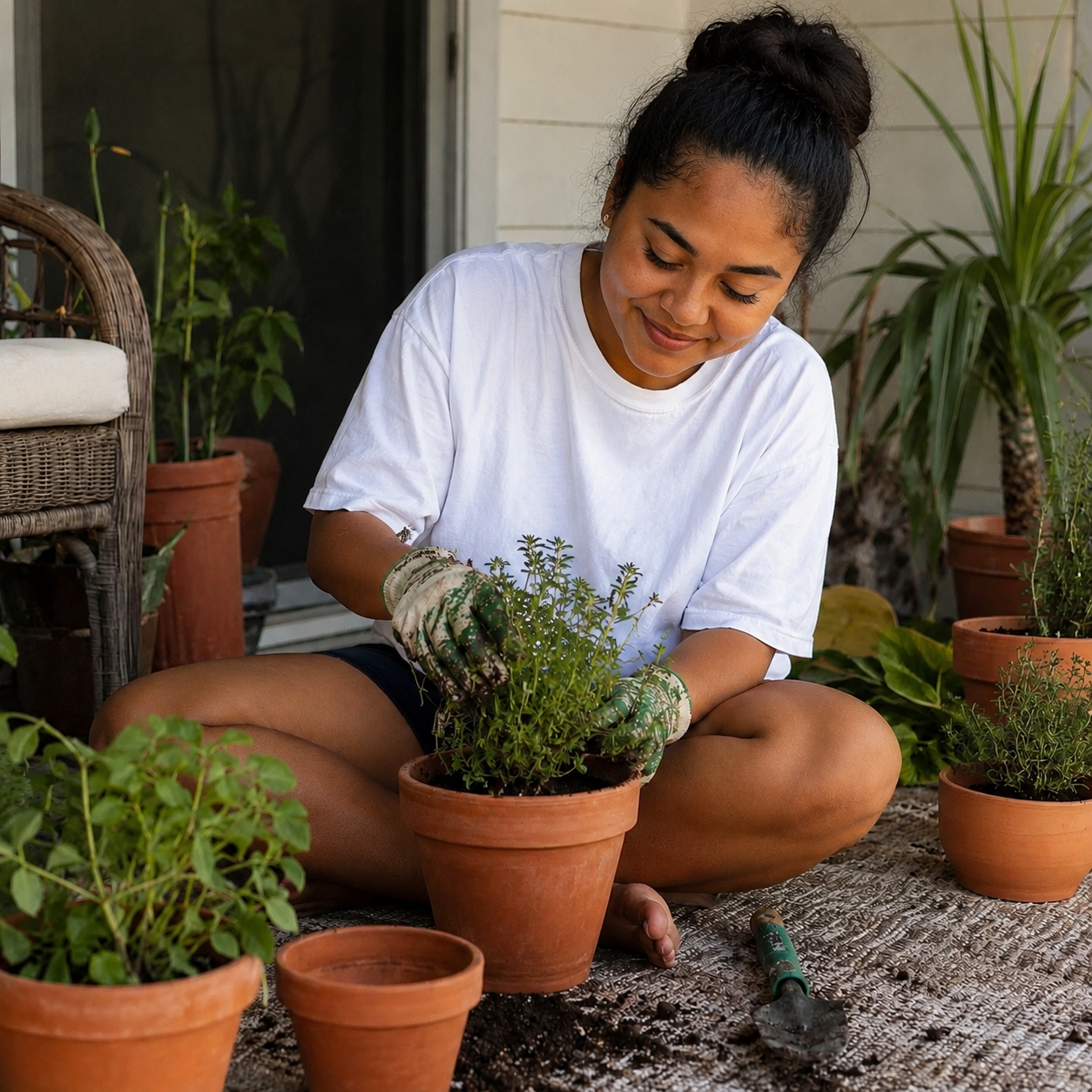
Creativity
Art, writing, gardening, making, and personal projects that belong to you.