
7 Kitchen Herbs for Health, Energy, and Everyday Balance
How Kitchen Herbs for Health Fit Into Everyday Wellness
Kitchen herbs for health can be an affordable and practical addition to everyday life. Long before supplements, essential oils, and modern wellness brands existed, people used familiar herbs in food, tea, home traditions, and cultural practices. Today, these plants can still add flavor to meals, bring greenery into the home, and support simple wellness routines.
Herbs can also carry symbolic meaning. Across different cultures and spiritual traditions, certain plants have been connected with protection, remembrance, courage, renewal, wisdom, and peace.
Those traditional meanings are not the same as scientifically proven medical effects. Still, they can give an herb personal significance and help turn a simple meal, cup of tea, or gardening routine into an intentional moment.
Interested in growing some of these plants yourself? Read Easy Herbs to Grow at Home: 7 Plants for Tea, Cooking, and Everyday Wellness.
Understanding Kitchen Herbs for Health and Wellness
Herbs used in ordinary food amounts are different from concentrated extracts, essential oils, capsules, and medicinal-strength teas. A plant may contain promising compounds without being able to prevent, treat, or cure a health condition.
The word “energy” in this article refers to alertness, atmosphere, emotional associations, and the way a ritual or environment feels. It is not a medical claim.
Here are seven familiar herbs and the practical and symbolic roles they can play in everyday life.
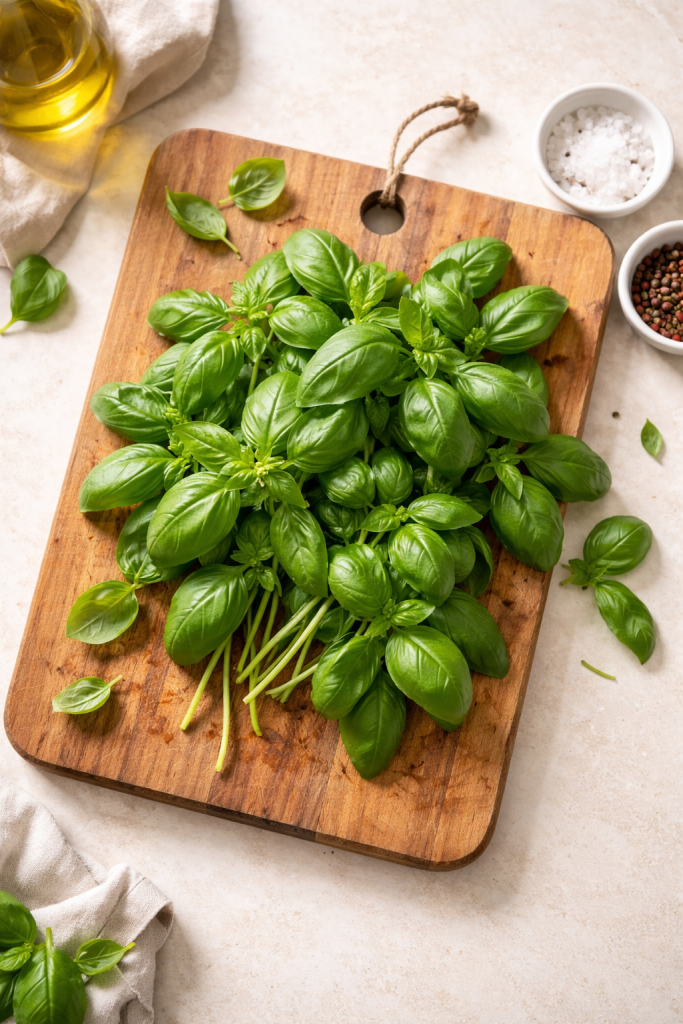
1. Basil
Sweet basil is more than a topping for pasta. It contains aromatic plant compounds and antioxidants while adding fresh flavor to salads, sauces, soups, and homemade dressings.
Basil has also carried religious and cultural meaning. In some Greek Orthodox practices, basil is connected with the Holy Cross and may be used during holy-water traditions. In other folk traditions, it has symbolized peace, protection, love, and harmony within the home.
It is important not to confuse ordinary sweet basil with holy basil, also called tulsi. They are related plants, but they are not interchangeable. Traditional uses and research involving tulsi should not automatically be applied to common kitchen basil.
Simple ways to use basil:
- Add fresh leaves to salads, pasta, sandwiches, or soups.
- Blend it into pesto or homemade dressing.
- Grow it near a sunny kitchen window.
- Place a small basil plant near an entryway as a personal symbol of peace and welcome.
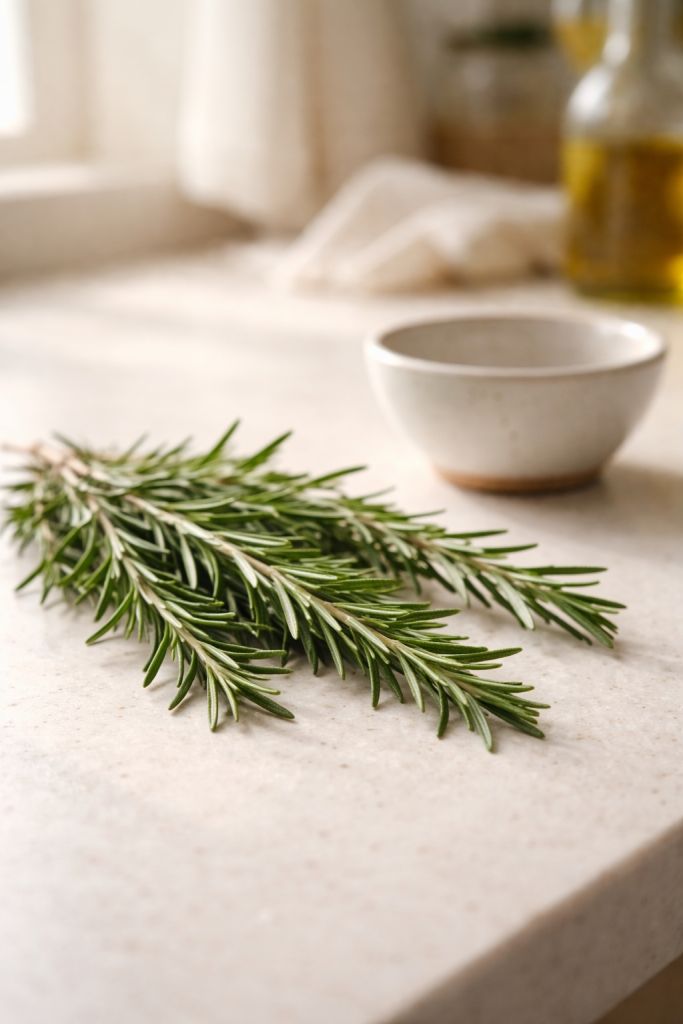
2. Rosemary
Rosemary has a strong aroma that can make roasted vegetables, beans, bread, chicken, and potatoes feel richer without requiring a long list of ingredients.
Rosemary and its aroma have been studied in connection with memory, attention, and alertness. However, the available research does not mean rosemary can treat memory loss or another cognitive condition.
Symbolically, rosemary has long been associated with remembrance, truth, loyalty, and protection. Its connection with memory is one reason it has appeared in ceremonies honoring loved ones and marking meaningful transitions.
Simple ways to use rosemary:
- Add it to roasted vegetables, beans, soups, or bread.
- Steep a small amount as an occasional herbal tea.
- Grow it in a sunny window, container, or garden.
- Place a fresh sprig in a vase, sachet, or simmer pot to bring its aroma into a room without creating smoke.
Thyme
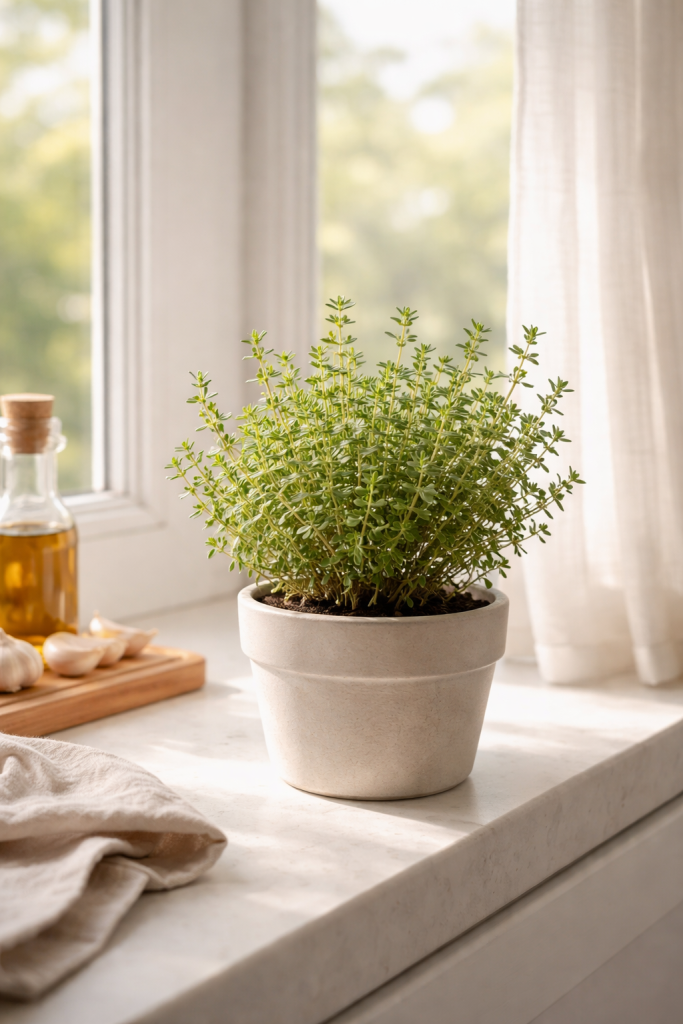
Thyme contains aromatic compounds, including thymol, that have shown antimicrobial activity in laboratory research. That does not mean culinary thyme or thyme tea can cure an infection, but the plant remains a flavorful addition to a varied diet.
Thyme has traditionally been associated with courage, strength, protection, and resilience. It can serve as a personal reminder to keep going during demanding or uncertain seasons.
Simple ways to use thyme:
- Add it to soups, vegetables, beans, sauces, and roasted foods.
- Steep it as a mild tea.
- Combine it with lemon when seasoning meals.
- Grow it in a container, raised bed, or sunny garden space.
Mint
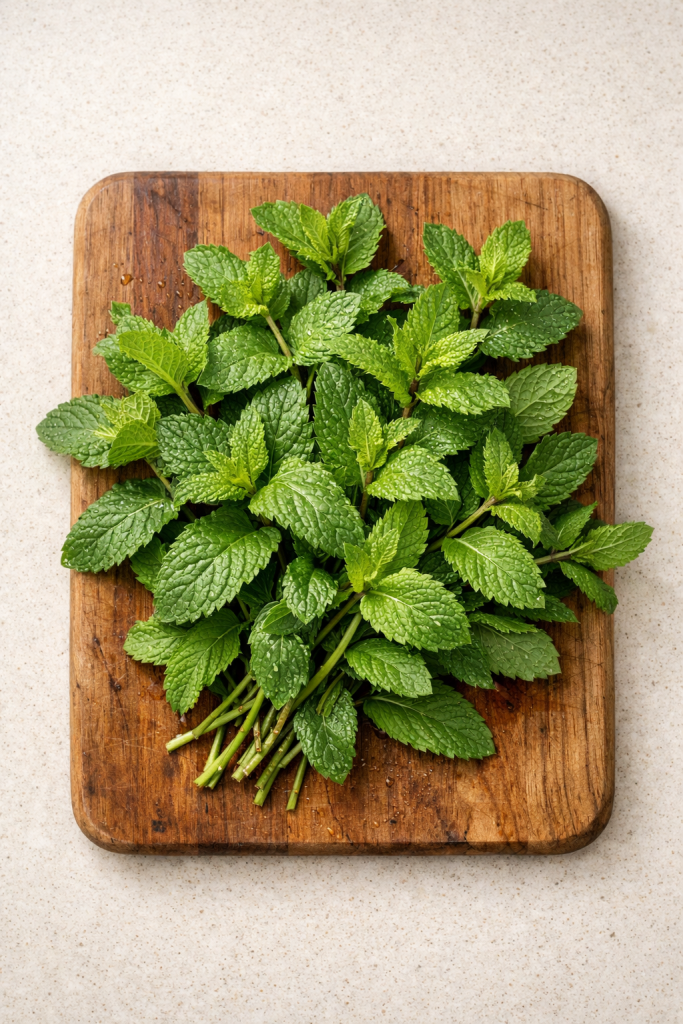
Mint brings a cooling flavor to drinks, fruit, salads, sauces, and tea. Many people enjoy mint tea after meals because they find it refreshing and soothing.
Peppermint oil has been studied for certain digestive symptoms, particularly symptoms connected with irritable bowel syndrome. However, concentrated peppermint oil is not the same thing as drinking an ordinary cup of mint tea.
In cultural and symbolic traditions, mint has been associated with hospitality, renewal, clarity, abundance, and a fresh start. Its scent can also make an indoor or outdoor space feel brighter and more awake.
Simple ways to use mint:
- Add fresh leaves to water, lemonade, fruit, or salads.
- Brew peppermint or spearmint tea.
- Freeze chopped leaves into ice cubes.
- Grow mint in a separate pot because it can spread quickly.
Bay leaf
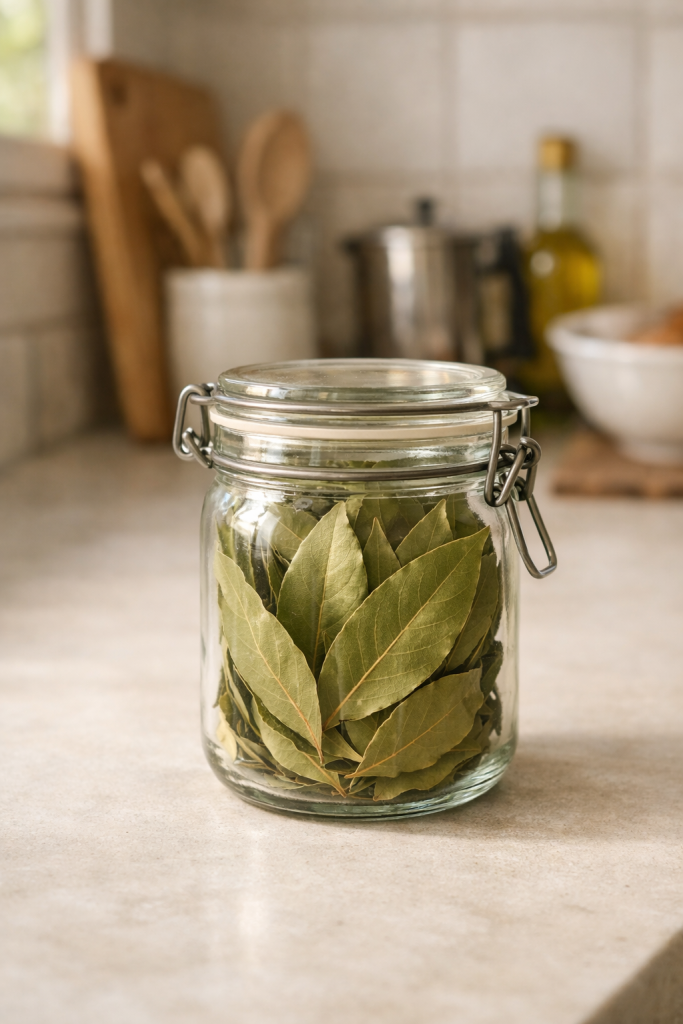
Bay leaves are mainly used to deepen the flavor of soups, beans, sauces, rice dishes, and stews. They contain aromatic plant compounds, but research is not strong enough to promise that ordinary bay leaves will regulate blood sugar or treat inflammation.
Historically, bay has been connected with victory, accomplishment, protection, wisdom, and good fortune. The laurel wreath is one of its most recognizable symbols.
Some contemporary spiritual practices use bay leaves for written intentions. Burning is not required. You can write a word or goal on a dried leaf and keep it in a journal, bowl, or personal space.
Simple ways to use bay leaf:
- Add one or two leaves to soup, beans, rice, or stew.
- Remove whole bay leaves before serving.
- Keep a written intention with a dried leaf inside a journal.
- Grow bay laurel in a large container if your climate and space allow.
Oregano
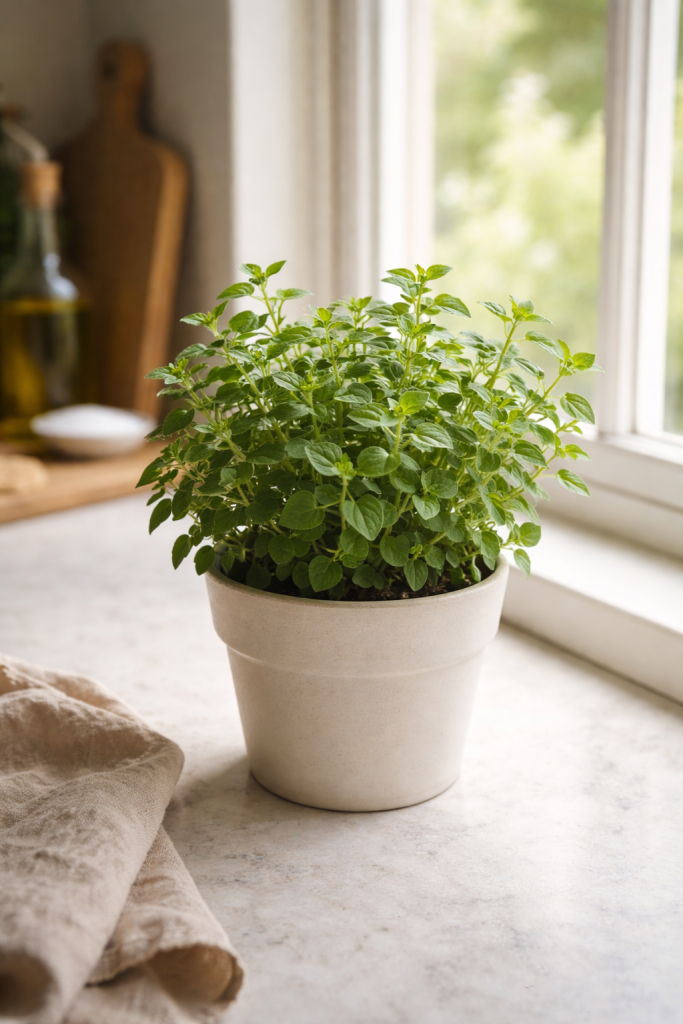
Oregano contains plant compounds such as carvacrol and thymol. These compounds have shown antioxidant and antimicrobial activity in laboratory settings, but that does not mean eating oregano or drinking oregano tea can treat a bacterial or viral illness.
As an everyday herb, oregano adds depth to tomato dishes, roasted vegetables, beans, sauces, marinades, and Mediterranean-inspired meals.
Symbolically, oregano has been associated with joy, protection, courage, and emotional strength. Its name and history have also connected it with happiness and celebration.
Simple ways to use oregano:
- Add fresh or dried oregano to sauces, beans, vegetables, or marinades.
- Combine it with olive oil and lemon for a simple dressing.
- Steep a small amount as an occasional tea.
- Grow it indoors near strong light or outside in a sunny location.
Sage
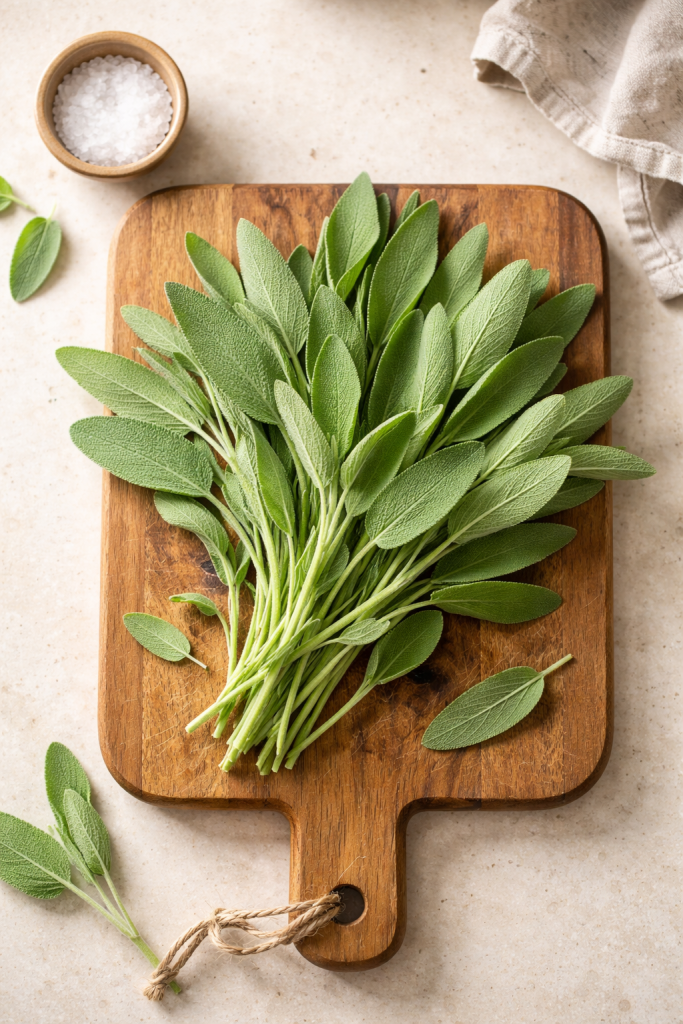
Culinary sage has a deep, earthy flavor that works well with beans, squash, potatoes, soups, sauces, and holiday dishes. Sage is generally considered safe in normal food amounts.
Some varieties of sage contain thujone, a compound that can be harmful in high amounts. This is one reason concentrated sage products or long-term medicinal use should not be treated the same as occasionally seasoning food.
Sage is often associated with wisdom, discernment, protection, cleansing, and emotional balance. You do not have to burn sage to create a meaningful ritual. Growing the plant, cooking with it, placing a fresh sprig in a room, or adding it to a simmer pot can carry personal intention without producing smoke.
Simple ways to use sage:
- Add it to soups, beans, sauces, squash, or potatoes.
- Fry a few leaves lightly and use them as a garnish.
- Grow culinary sage in a sunny, well-drained space.
- Add a small amount to a simmer pot for aroma.
Growing Kitchen Herbs for Health on a Budget
Many people do not realize that SNAP benefits can be used to purchase seeds and plants that produce food for the household.
Eligible herb plants and seeds must be purchased from a SNAP-authorized retailer. Availability varies, and not every plant at every grocery store, garden center, farmers market, or online retailer will be coded as an eligible SNAP purchase.
Some herbs can also be propagated from cuttings, allowing one established plant to produce additional plants over time.
Herbs from this list that may be propagated include:
- Basil
- Mint
- Rosemary
- Oregano
- Sage
- Bay laurel
Basil and mint are often among the easiest options for beginners. Rosemary, oregano, sage, and bay laurel may take more time and patience.
With proper care, one plant can provide repeated harvests and reduce how often you need to purchase small packages of fresh herbs. Growing herbs can be an affordable way to add flavor and fresh ingredients to meals while building practical gardening skills.
Bringing Herbs Into Everyday Life
These seven kitchen herbs for health are not magical cures, and they do not need to be treated like medicine to have value.
They can make food more flavorful, encourage you to cook with fresh ingredients, bring greenery into your home, and connect everyday routines with personal or cultural meaning.
Start with one herb you already enjoy. Add it to a meal, grow it near a sunny window, make a cup of tea, or use it as a reminder of the intention you want to carry into your day.
Small practices can still feel meaningful—especially when they are affordable, accessible, and easy to repeat.
Save Money by Propagating Your Herbs
Growing and propagating kitchen herbs for health can help households reduce waste and spend less on fresh herbs over time.
Some herbs can be grown from cuttings, which means one healthy plant may produce several new plants over time. Basil and mint are usually the easiest herbs on this list to propagate in water. Oregano, sage, and rosemary can also be propagated from cuttings, although they may take longer to develop roots. Bay leaf can be propagated, but it is slower and may be more difficult for beginners.
Propagation does not guarantee that you will never need to purchase herbs again, but it can reduce future costs, prevent waste, and help you build a more sustainable supply at home.