


13 Organization Essentials Every Family Caregiver Needs (But No One Talks About)

Caregiving comes with a mental load most people never see — the papers, the appointments, the routines, the constant decision-making. These are the tools I personally use or recommend for family caregivers, caretakers, and honestly anyone trying to stay on top of a life that gets busy fast.


Each one helps turn the overwhelm into something you can manage, something that feels like a system instead of a pile of “I’ll do it later.” These aren’t aesthetic-only products — they’re the practical things that actually make a difference in real households, on real days, when there’s way too much going on.


If even one of these helps you breathe a little easier, then it’s worth it.

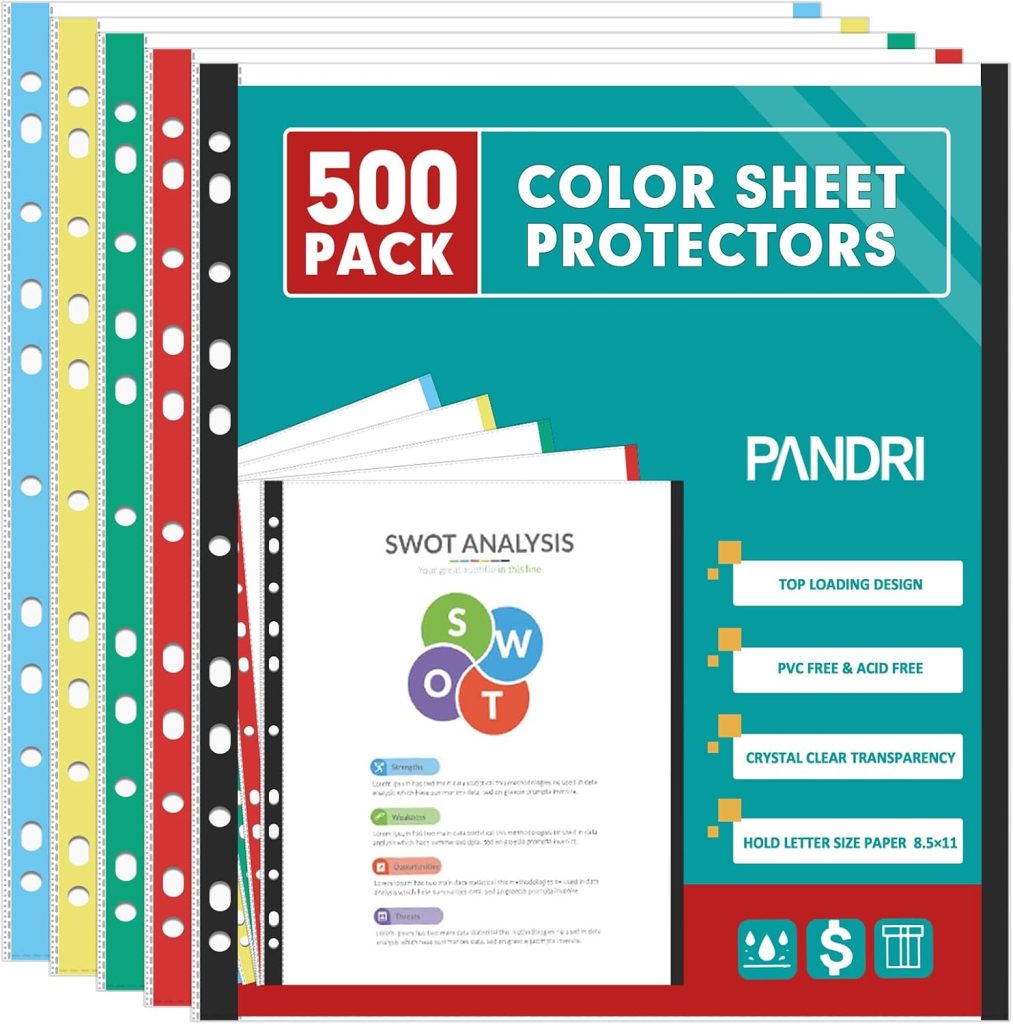
1. Sheet Protectors, PANDRI 500 Pack Color

PANDRI 500 Pack Color

Color-coding isn’t just cute — it’s actually essential for a lot of people with visual processing differences, ADHD, dyslexia, autism, or sensory needs. Color separation helps keep information from blending together, which makes caregiving paperwork way less stressful.


→ You can check out the locks I recommend here.

2. Heavy-Duty 3-Ring Binder (3–5 Inch)

A caregiver binder becomes the brain outside your brain. It holds the entire medical and legal world of the person you care for:

  • Diagnoses

  • Hospitalizations

  • Treatment plans

  • Court paperwork

  • Disability forms

  • Emergency contacts

  • Appeals

  • Medication history

  • School or program records

For caregivers navigating mental illness, this is crucial because agencies lose paperwork all the time. You having your own system means nothing gets rewritten, lost, or forgotten.

This is your proof, your timeline, your “I have receipts,” your protection.


→ You can check out the locks I recommend here.

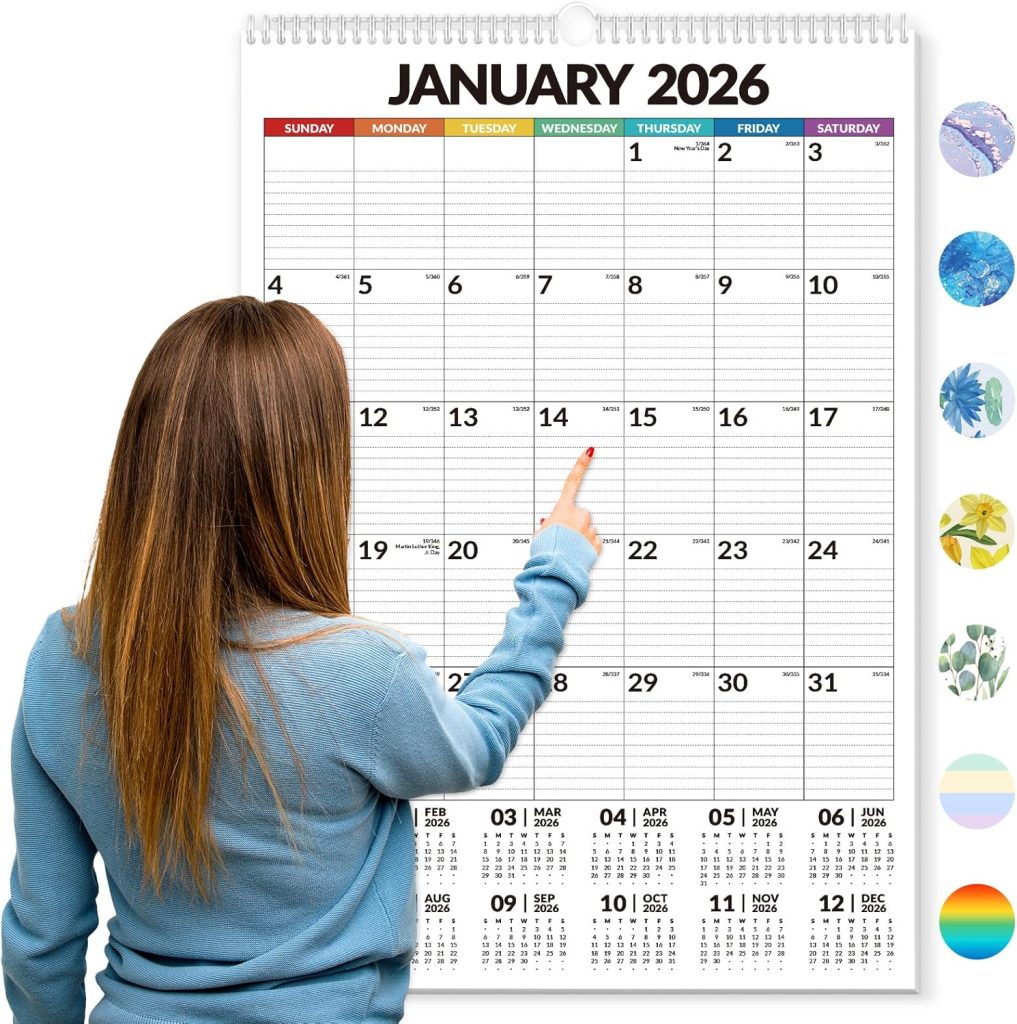
3. A Monthly + Weekly Planner

Caregiving has layers of schedules — meds, appointments, renewals, evaluations, benefit deadlines, behavior logs, and your own life somewhere in between.

A planner keeps everything from collapsing into chaos.

For caregivers of someone with a mental disability, the planner becomes:

  • A symptom timeline

  • A behavior tracking tool

  • A med change reference

  • A place to flag upcoming reviews or redeterminations

  • A grounding practice when life feels unpredictable

Most importantly, it gives a structure to days that otherwise run on survival mode.


→ You can check out the locks I recommend here.

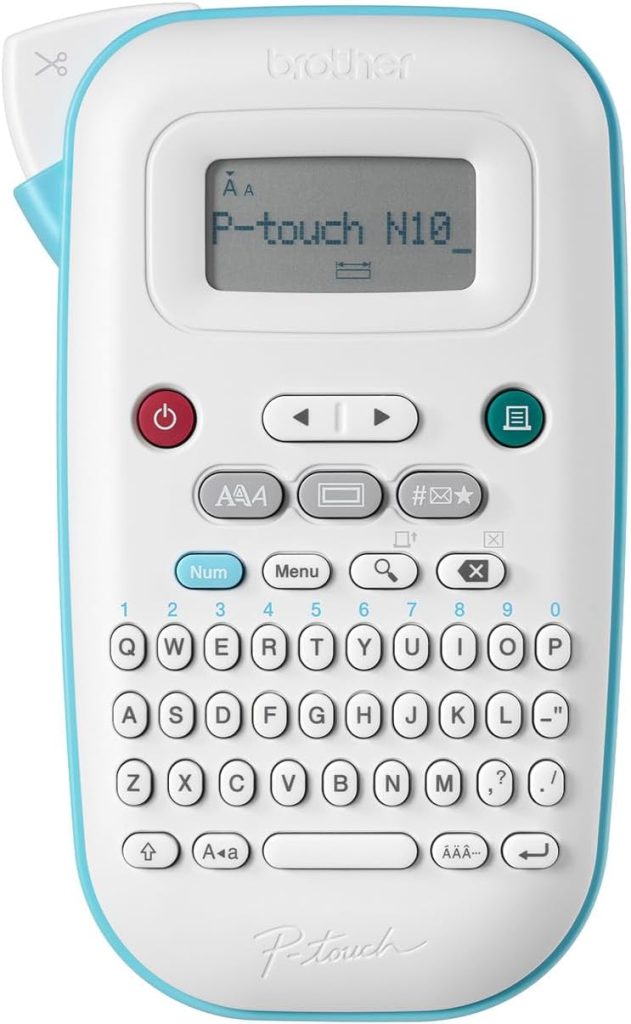
4. A Simple Label Maker

This sounds small, but it’s a whole system in itself.

Label makers help caregivers:

  • Mark medication shelves

  • Identify binder sections

  • Label crisis kits

  • Separate “to file,” “to submit,” and “needs signature” documents

  • Clearly identify your own personal items so nothing gets mixed or taken

Caregivers supporting someone with schizophrenia or behavioral symptoms know:
misplaced items create real problems.
Labeling keeps order in a home where unpredictability is part of daily life.


List Price: $24.99

→ You can check out the locks I recommend here.

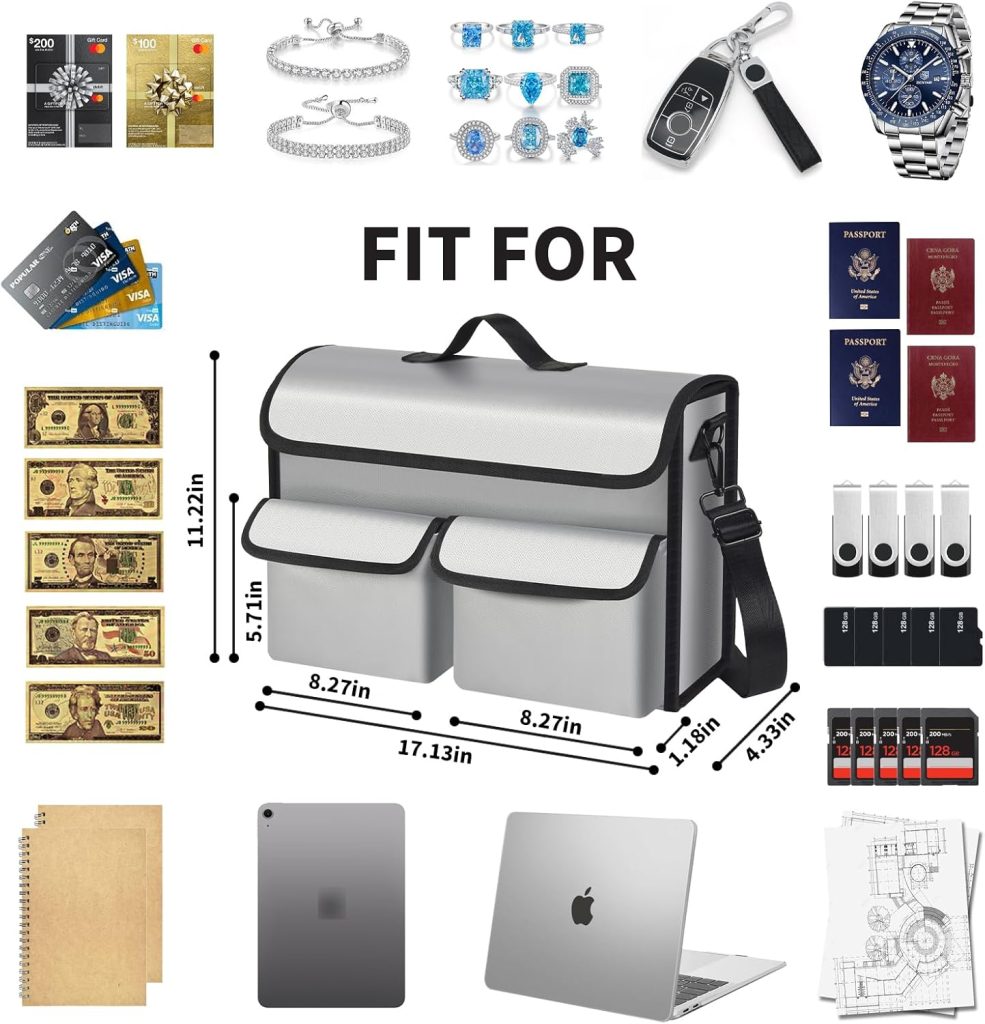
5. A Fireproof Document Bag

This is your long-term protection.

Caregiving requires storing irreplaceable documents:

  • Original birth certificates

  • Court orders

  • Conservatorship papers (if applicable)

  • SSI or SSDI documents

  • Medicaid/Medi-Cal approvals

  • Psychiatric evaluations

  • Legal correspondence

  • Appeal decisions

If anything ever happened — fire, flood, sudden move, crisis — you still have everything intact.
You don’t realize how important this is until one incident threatens years of paperwork.

For families navigating severe mental illness, this can be the difference between proving eligibility or starting over from nothing.


→ You can check out the locks I recommend here.

6. Door Knob Lock-Out

For many family caregivers, especially those supporting someone with a mental disability, certain household items need to stay in specific places for safety and peace of mind. Locks help protect things that can easily become hazardous or accidentally misused during overwhelming moments — like cleaning products, kitchen tools, medications, or important documents.

This isn’t about restricting anyone. It’s about keeping the home safe, preventing accidental damage, and making sure essential items stay where they belong. A few well-placed locks can make the whole household feel more stable and organized.


Typical price: $14.83

→ You can check out the locks I recommend here.

7. Clip and Go Strap for Phone with Wallet Crossbody

Wearable Hidden Card Holder

When you’re a family caregiver, especially supporting someone with a mental disability, keeping certain items secure on your body becomes part of daily life. A wearable hidden card holder lets you keep essentials—like your ID, insurance cards, your loved one’s medical card, emergency contact info, or appointment notes—close to you without the risk of them being misplaced, taken, or lost during stressful moments.

It looks simple, but it solves real problems:
You can move around the house, run errands, or attend appointments knowing the important cards stay with you, not in a bag that might get opened or set down somewhere unsafe. It also helps during crisis situations when you need documents immediately and don’t have time to dig through a purse or tote.

For caregivers, something this small can make the day flow smoother, safer, and more organized.


Typical price: $14.99

→ You can check out the wearable card holder I recommend here.

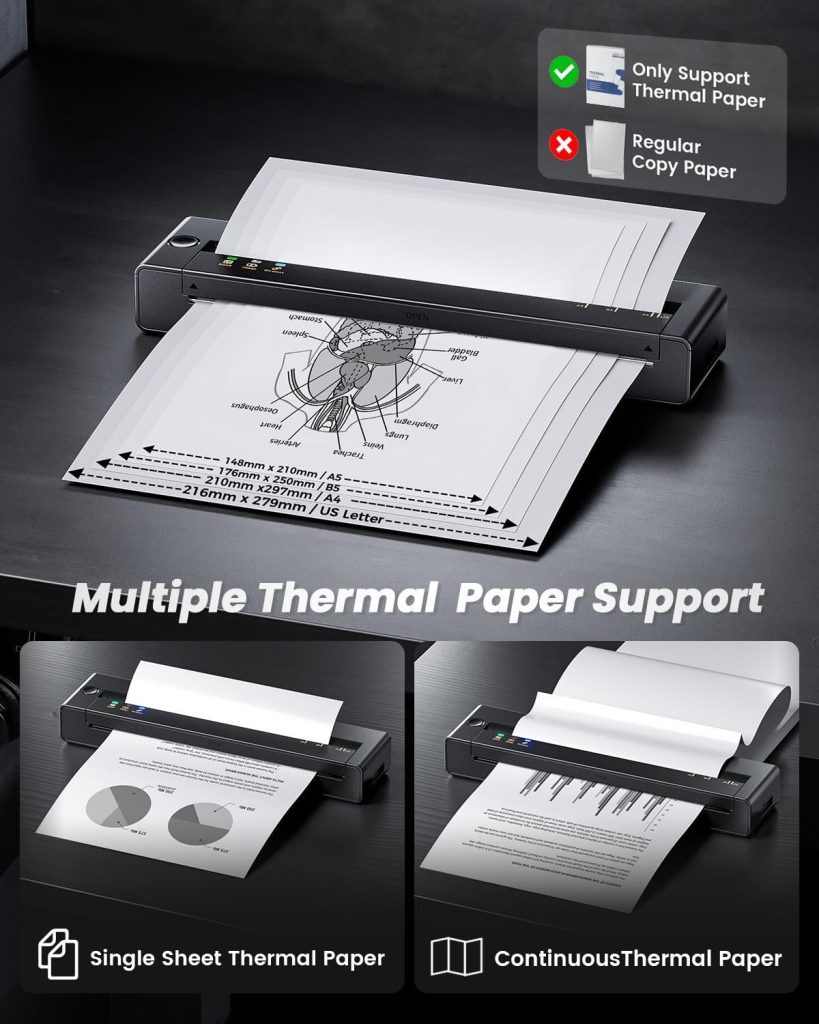
8. A Printer + Scanner (full-size or portable)

Caregiving comes with constant paperwork — renewals, evaluations, letters, treatment plans, insurance updates, IHSS packets, grievances, and emergency documentation. You can’t always wait until you get home to print something, especially when you’re dealing with deadlines or high-stress situations.

A portable printer solves real-world caregiver problems:

  • Fits in a tote bag or car

  • Lets you print forms before a meeting or appointment

  • Helps when an agency suddenly says “we need this today”

  • Allows you to scan signed documents immediately

  • Prevents lost paperwork during crises

  • Supports caregivers who are constantly on the move between appointments, homes, or errands

Whether you choose a compact model or a full-size one at home, this tool becomes the backbone of staying ahead of the system instead of drowning under it.


List Price: $99.99

→ You can check out the printer I recommend here.

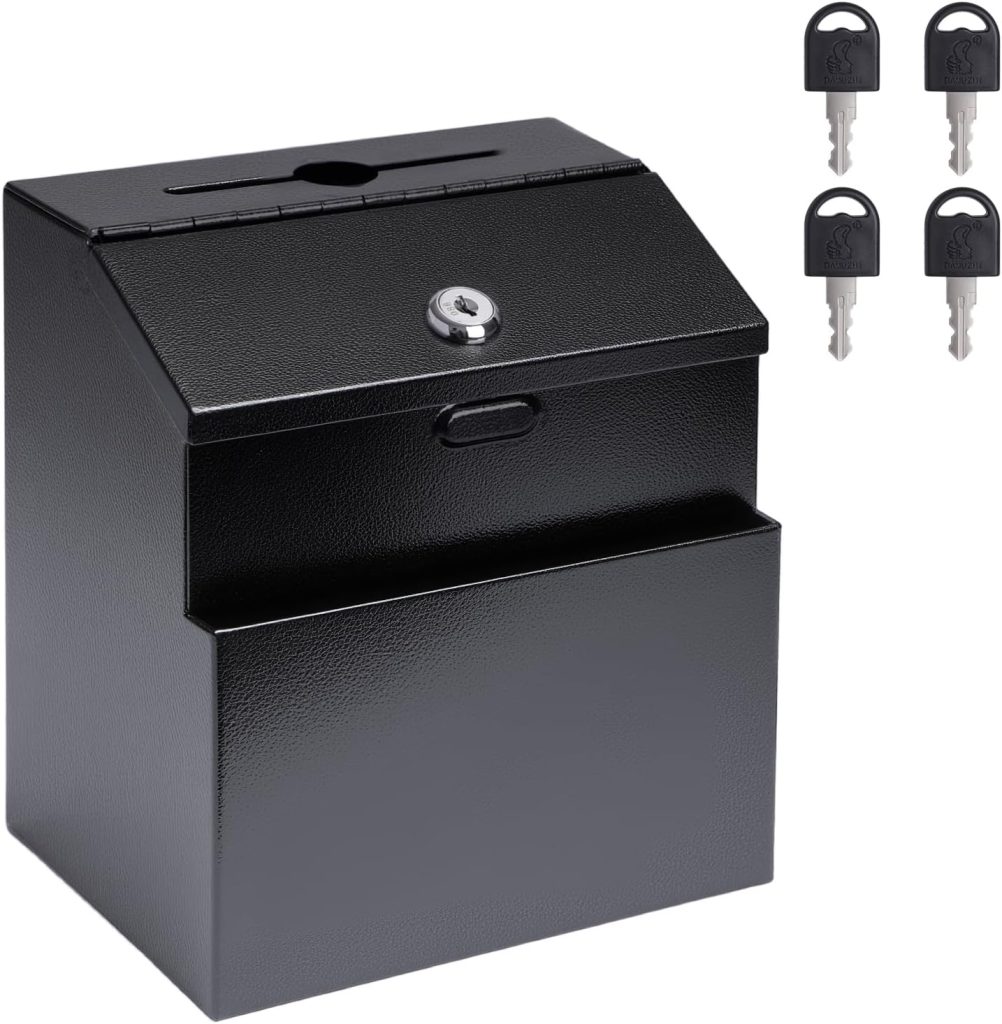
9. Locked Mailbox / Secure Mail Lockbox

Mail holds everything—from medical updates to benefits notices—and when you’re a family caregiver, especially someone supporting a loved one with a mental disability, losing even one envelope can disrupt appointments, delay renewals, or cause you to miss important deadlines.

The day-to-day reality of mental disability can make it hard to recognize what needs to be saved, filed, or passed along.

A locked mailbox gives caregivers a simple way to protect important documents before they get lost.

It provides a secure landing spot for:

  • medical letters

  • benefit notices

  • appointments

  • renewals

  • legal forms

  • anything that needs to go into your binder or file system

This isn’t about restricting your loved one.
It’s about protecting the paperwork your household depends on so you can stay organized, avoid missed deadlines, and keep your caregiving flow steady.


→ You can check out the locks I recommend here.

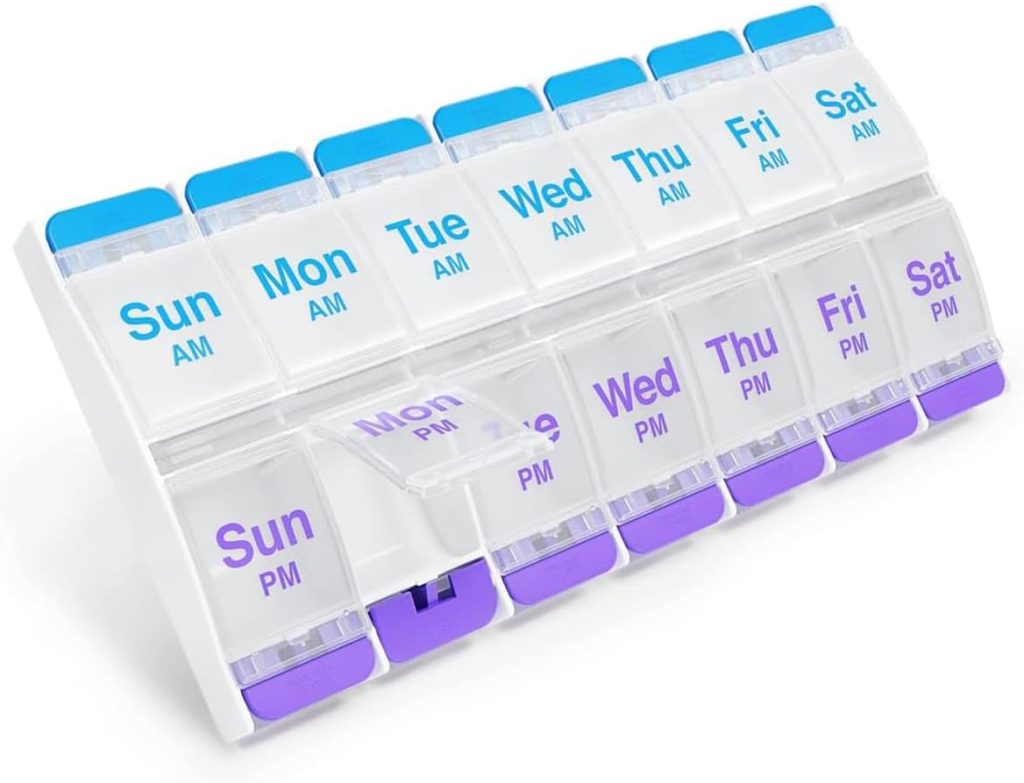
10. X-Large Pill Case Planner

EZY Dose Push-Button 7-Day AM/PM Pill Organizer

For family caregivers, especially those supporting someone with a mental disability, keeping track of daily medications and vitamins can get overwhelming fast. This AM/PM pill organizer simplifies everything. The push-button lids are arthritis-friendly, the compartments are X-large for bigger pills or multiple meds, and the clear tops make it easy to double-check that doses were taken without opening each section.


Having a weekly layout helps reduce mistakes, prevents last-minute scrambling, and gives caregivers a steady rhythm to follow throughout the week. The purple and blue color split also makes it easier to separate morning and evening routines at a glance.

$6.53

→ You can check out the pill organizer I recommend here.

11. Clear Plastic Drawer Organizers Set

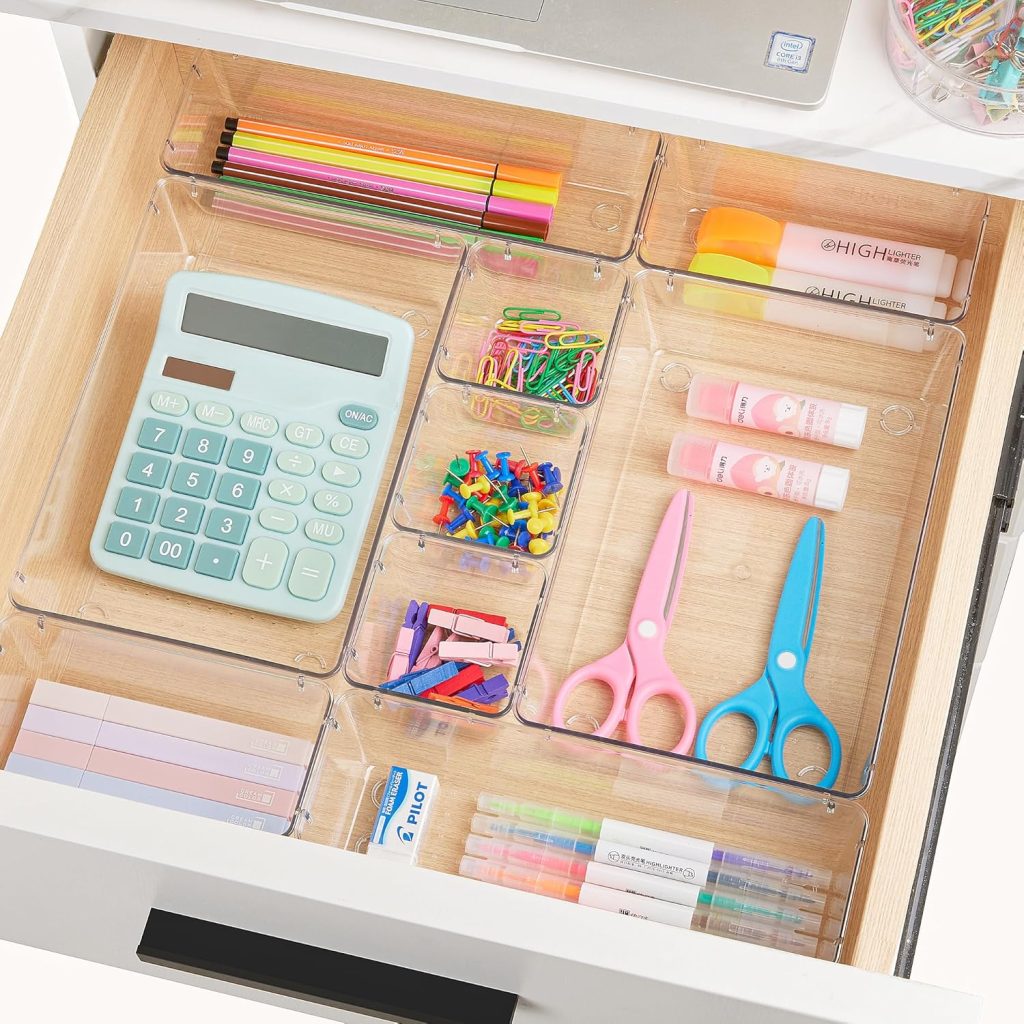
Clear Drawer Organizer Set (25-Piece)

Caregiving comes with so many “little things” that turn into clutter fast — hygiene items, grooming tools, chargers, hair products, utensils, meds cups, cotton pads, random household essentials. This 25-piece clear drawer organizer set helps bring real structure back to your drawers and cabinets.


With multiple sizes, you can mix and match them in the bathroom, bedroom, kitchen, or office to create clean sections for every category. It keeps daily-use items separated, easy to see, and easy to grab, which makes routines smoother for both you and your loved one.

For family caregivers supporting someone with a mental disability, small moments of organization make a huge difference — and these trays turn chaotic drawers into calm, predictable spaces.


$19.99

→ You can check out the drawer organizers I recommend here.

12. Pen Diffuser

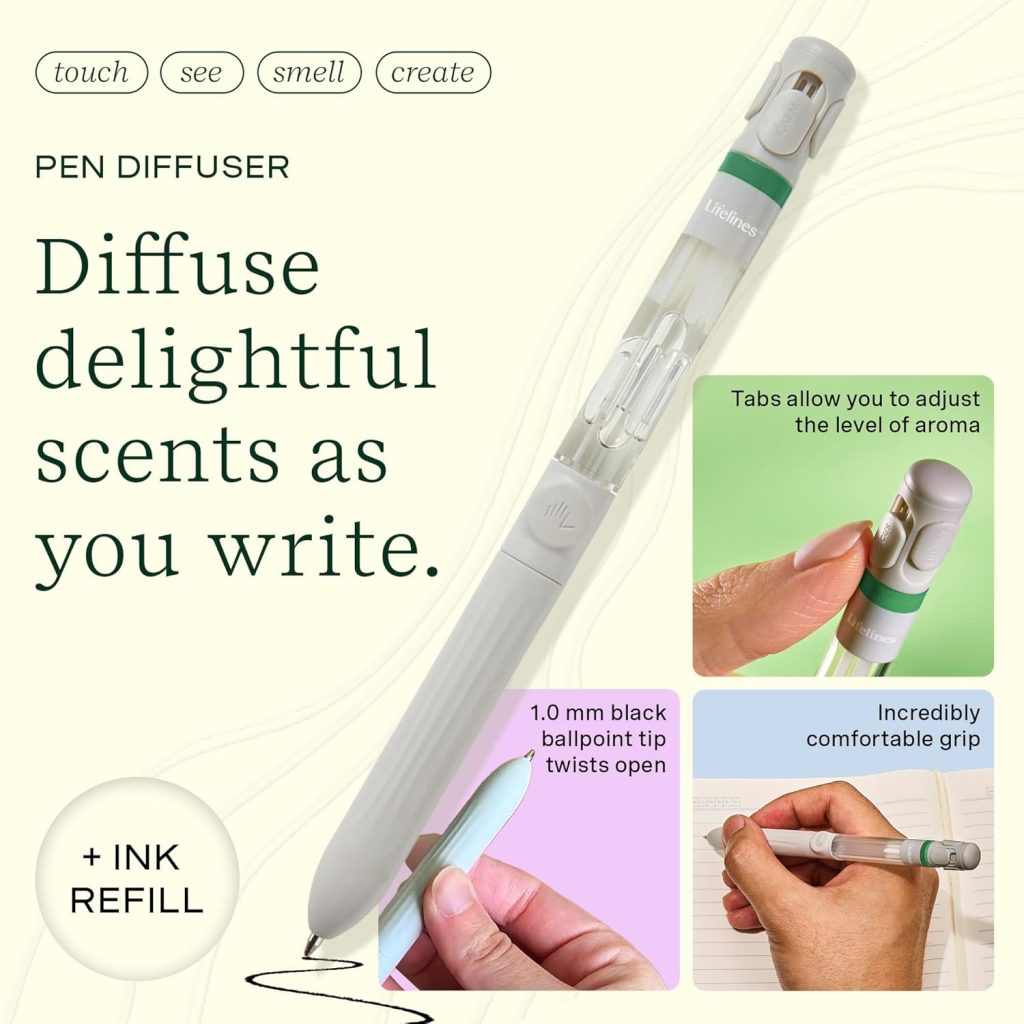
Lifelines Aromatherapy Pen Diffuser 

Caregiving comes with a lot of paperwork, phone calls, notes, reminders, and daily documentation — and sometimes just sitting down to write can feel heavy. This aromatherapy pen diffuser adds a small moment of calm into the middle of all that. As you write, the essential oil blend releases a gentle scent that helps you breathe, slow down, and stay grounded while you’re organizing your notes or updating your binder.

It’s still a regular 1mm black ballpoint pen — smooth, simple, easy to use — but with a sensory lift that makes everyday tasks feel a little less draining. Perfect for caregivers who spend their days juggling forms, logs, or planning and need something that brings a little ease into the chaos.


List Price: $9.99 
 

→ You can check out the aromatherapy pen I recommend here.

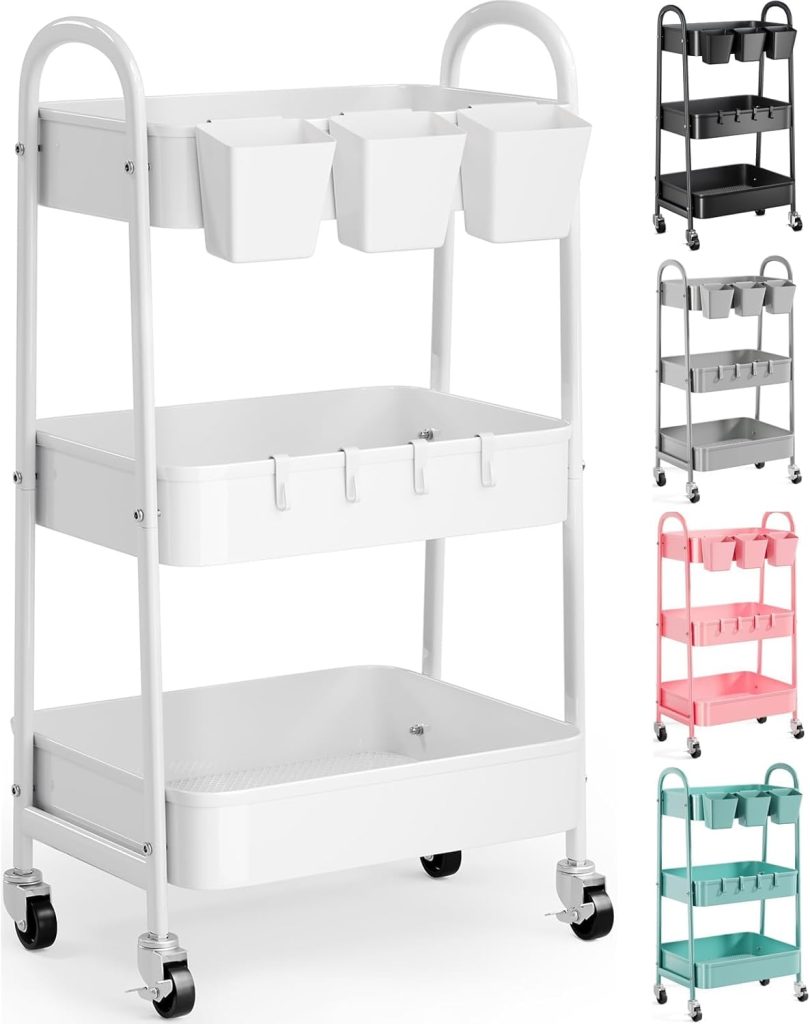
13. 3-Tier Heavy Duty Rolling Cart

Metal Rolling Cart

Caregivers are always moving — between rooms, tasks, routines, and whatever the day throws at them. A 3-tier rolling cart becomes a mobile organizing hub you can take anywhere in the house. You can stack it with hygiene items, grooming supplies, snacks, daily essentials, art or sensory items, extra towels, or your own caregiver tools like planners and chargers.

Because it has lockable wheels, you can park it next to the bed, in the bathroom, by your workstation, or wherever you’re doing care that day. It keeps everything visible, organized, and easy to reach without digging through drawers or cabinets. For family caregivers supporting someone with a mental disability, a rolling cart helps keep routines steady and cuts down on the constant back-and-forth that drains your energy.


Typical price: $29.97

→ You can check out the rolling cart I recommend here.

Every caregiving household is different, but staying organized is one of the few things that makes the day feel lighter, calmer, and more manageable. These are the tools that genuinely help me keep our world steady — the things that cut down on stress, save time, and make all the moving parts a little easier to carry.


Pick what fits your life, your routines, and your loved one. Even one or two of these can shift the whole flow of your week.

If you decide to try any of them, I hope they bring you the same ease they bring me.


→ And if you want more caregiver resources, templates, and real-life tools, you can always check out the Caregiver page here on Yelloux Cove.


You’re not doing this alone — and you deserve tools that actually help.

Leave a Comment

Your email address will not be published. Required fields are marked *