
Find Peace Through Meditation: A Guide for Caregivers
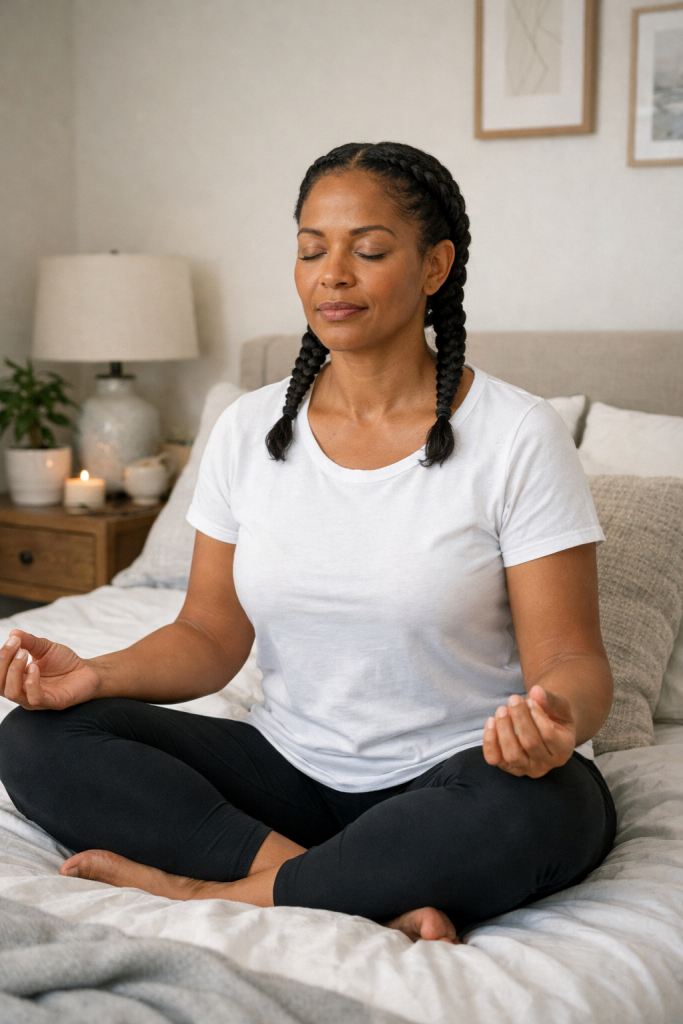

Meditation for caregivers and chronic stress can make it difficult to find moments of calm or mental clarity. For family caregivers, individuals under financial pressure, and those navigating mental health challenges, meditation and mindfulness can offer a practical way to pause, reset, and reduce stress—without requiring special equipment or long periods of time.
This article explores how simple mindfulness and meditation practices can be incorporated into everyday life to support emotional regulation, focus, and overall well-being.
The Essence of Meditation and Mindfulness: At its core, meditation is the art of bringing your attention to the present moment, using techniques like focused breathing, visualization, or mantra chanting. Mindfulness, a form of meditation, involves maintaining a moment-by-moment awareness of our thoughts, feelings, bodily sensations, and the surrounding environment with openness and curiosity.
Why Meditation for Caregivers Matters: Family caregivers often face emotional, physical, and financial burdens that can lead to burnout, anxiety, and depression. Similarly, those dealing with financial or mental health strains experience constant stress that can overwhelm the mind and body. Meditation can provide a structured way to manage ongoing stress, support emotional balance, and create brief moments of mental rest in otherwise demanding circumstances.
Beginning Your Journey to Peace and Clarity:
- Start Small: Begin with just a few minutes a day, gradually increasing the time as you become more comfortable with the practice.
- Create a Dedicated Space: Choose a quiet, comfortable place where you can sit without interruption.
- Focus on Your Breath: Pay attention to the natural flow of your breath. Feel the air entering your nostrils, filling your lungs, and then gently exhaling. This simple act can ground you in the present moment, reducing stress and anxiety.
- Be Kind to Yourself: Your mind will wander—that’s perfectly normal. Gently acknowledge the wandering thought and bring your focus back to your breath or chosen point of focus.
The Benefits Unveiled
Meditation and mindfulness can support improvements in quality of life, offering benefits such as reduced stress and anxiety, improved emotional health, enhanced self-awareness, and a boost in attention and concentration. For caregivers and those under various strains, these practices offer a way to navigate life’s challenges with greater ease and resilience.
Incorporating Mindfulness into Daily Life
Beyond dedicated meditation sessions, you can practice mindfulness throughout your day. Whether you’re washing dishes, taking a walk, or listening to a loved one, fully engage with the present moment. This ongoing practice can transform mundane activities into moments of peace and clarity.
Every breath is an opportunity to bring ourselves back to a state of peace and clarity. For caregivers and others living with ongoing stress, meditation and mindfulness offer a practical way to return to the present moment. Even brief pauses throughout the day can support clarity, emotional regulation, and resilience. Each breath becomes an opportunity to reset and continue forward with greater steadiness.
FAQs:
- How long should I meditate each day? Starting with a few minutes daily and gradually increasing to whatever feels comfortable is a good approach.
- Do I need any special equipment? No, all you need is a quiet space where you can relax without interruption.
- Can meditation really reduce stress? Yes, numerous studies have shown that meditation can significantly reduce stress and improve mental health.
Useful Links:
By embracing meditation and mindfulness, every breath can indeed bring you closer to peace and clarity.